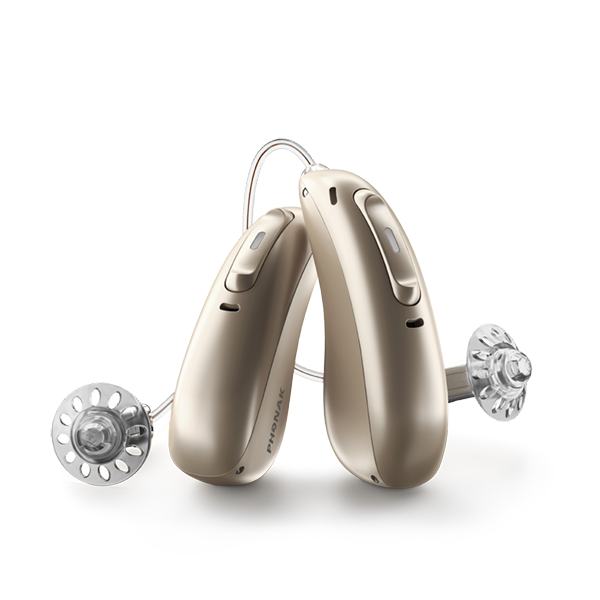
Hearing aids are small electronic devices How do Hearing Aids Work that help people hear sounds more clearly and comfortably. Rather than curing hearing loss, these devices improve how sound reaches the ear and brain. At Micro Hearing Care Center, hearing professionals explain the working process clearly so users feel confident using their devices every day.
Main Components of a Hearing Aid
Every modern hearing aid includes three essential parts: a microphone, a sound processor, and a speaker. Sounds from the environment are first captured by the microphone. After that, the processor analyzes and adjusts these sounds according to the user’s hearing needs. Once processed, the speaker delivers clearer and more comfortable sound into the ear.
How do Hearing Aids Work
How Sound Is Improved
Hearing aids are programmed based on hearing test results. Because of this, soft sounds become easier to hear while loud sounds remain comfortable. Digital technology also helps reduce background noise and focus on speech. In many situations, hearing aids automatically adjust when the environment changes, such as moving from a quiet room to a noisy street.
Supporting the Brain’s Hearing Process
Clear sound signals help the brain understand speech better. Over time, regular use of hearing aids allows the brain to adapt and process sounds more naturally. As a result, listening becomes less tiring and conversations feel more comfortable.
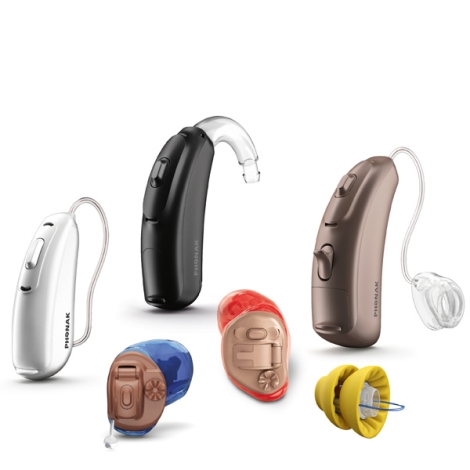
Same Principle, Different Styles
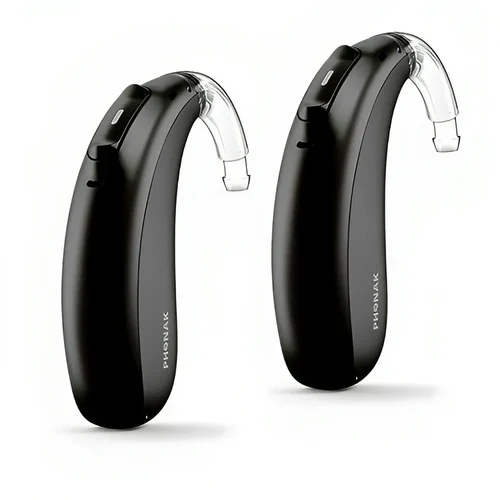
Hearing aids come in various styles, including behind-the-ear and in-the-ear designs. Despite the different shapes, the working principle remains the same. Compared to older devices, modern hearing aids are smaller, smarter, and more efficient.
Importance of Professional Adjustment
Proper fitting and programming play a key role in hearing aid performance. Most importantly, professional adjustment ensures comfort, clear sound, and effective daily use.
Understanding how hearing aids work helps users feel more confident and encourages consistent use for better communication and improved quality of life.