About Us
About us Welcome to Micro Hearing Care Centre (MHCC) Additionally, Micro Hearing Care Centre (MHCC) opened in 2014 with the […]

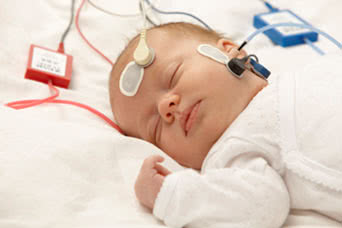
The OAE test, also known as the Otoacoustic Emissions test, provides a fast and non-invasive way to assess how well the inner ear (cochlea) functions. When sound enters the ear, healthy outer hair cells in the cochlea create tiny responses called emissions. The test measures these emissions to evaluate hearing ability and cochlear health.
Since the procedure doesn’t require any response from the patient, it is ideal for newborns, infants, and individuals who cannot take part in traditional hearing tests.
Healthcare professionals choose this test for several important reasons:
It accurately screens hearing in newborns and young children.
In addition, it helps detect hearing loss caused by cochlear damage.
It clearly shows how well the outer hair cells react to sound stimuli.
Moreover, it supports early diagnosis of sensorineural hearing loss.
As a result, many schools and pediatric clinics use it in routine hearing screenings.
This painless procedure involves just a few simple steps:
First, the provider gently places a soft ear tip in the ear canal.
Then, the device plays a series of soft clicking or tone sounds.
As a result, the inner ear responds by producing otoacoustic emissions.
A built-in microphone records and analyzes these emissions.
If emissions are detected, it usually indicates that the cochlea is functioning properly.
However, if no emissions are present, further testing—such as an ABR—may be necessary.
Because it requires no response, the OAE test works especially well for infants, toddlers, and patients with developmental conditions.
About us Welcome to Micro Hearing Care Centre (MHCC) Additionally, Micro Hearing Care Centre (MHCC) opened in 2014 with the […]